


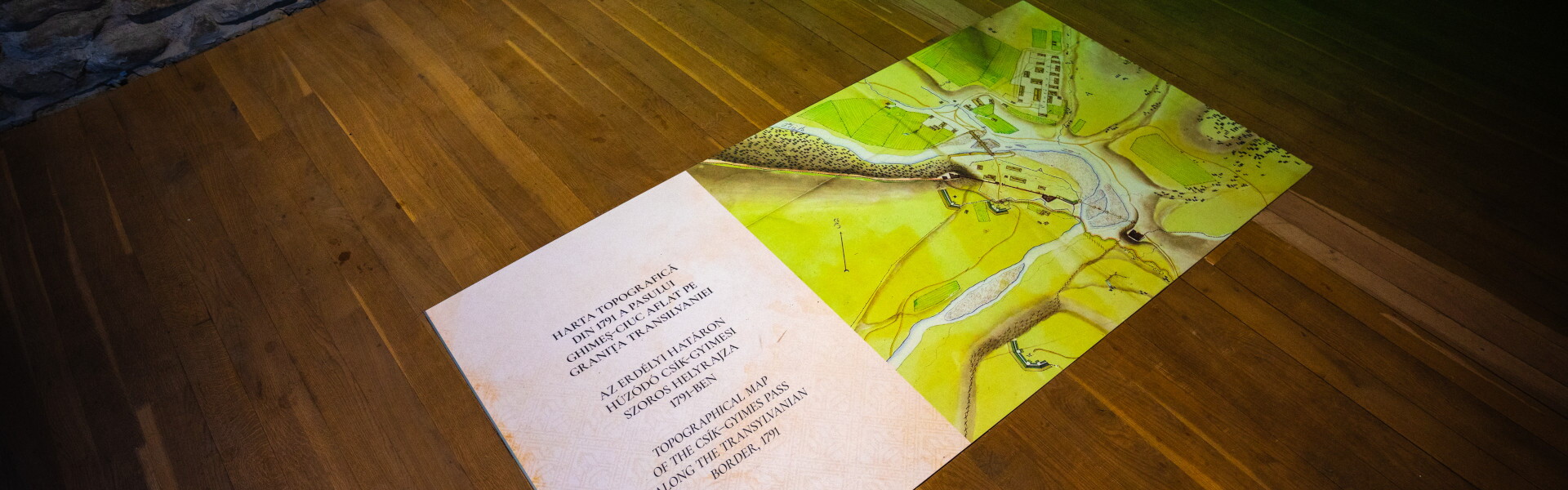
Reconstruction
In 2008, the management of the Budakeszi Culture Foundation – Ákos Bánkuti, Gyula Herein, István Herein, Gábor Mayer and Károly Szász – together with local patriots from Gyimesbükk – entrepreneur András Deáky, Ágoston Bilibók, a former railway worker who collected the Hungarian railway heritage of Transylvania, József Salamon, parish priest; Gábor Biró, engineer and local researcher into the history of Rákóczi Castle; and László Szőcs, then deputy mayor – initiated the restoration of the original 1930s guardhouse, situated in the Tatros Valley on the easternmost border of historic Hungary, in accordance with railway standards, along with the landscaping of its surroundings, to make it suitable for housing and displaying an existing railway history exhibition.
On Whitsunday, when the restored signal box was handed over, thousands of people visited Gyimesbükk. Following this, those who had initiated the restoration of the signal box recorded in the minutes their further decision to rebuild the Rákóczi Castle in Gyimesbükk.
The lengthy process of fundraising, planning and obtaining permits began. A public fundraising campaign was launched to cover the costs, and numerous donors from Hungary also supported the initiative. Architect Győző Esztány drew up the initial plans, drawing on Gábor Biró’s research, documents from the Vienna State Archives, and contemporary drawings. Meanwhile, archaeological excavations were also carried out on the site; the accumulated debris and earth were cleared away, so that the castle’s remaining ruins, which had previously been buried, became fully visible. The village received the first building permit for the restoration of the castle ruins in 2016. However, the public procurement procedure was unsuccessful.
Following Péter Olteán’s election as mayor in 2020, he once again set the reconstruction of the castle as a goal on behalf of the municipality of Gyimesbükk, with the aim of making Rákóczi Castle a major tourist attraction for the Gyimes Valley and the whole of Szeklerland.
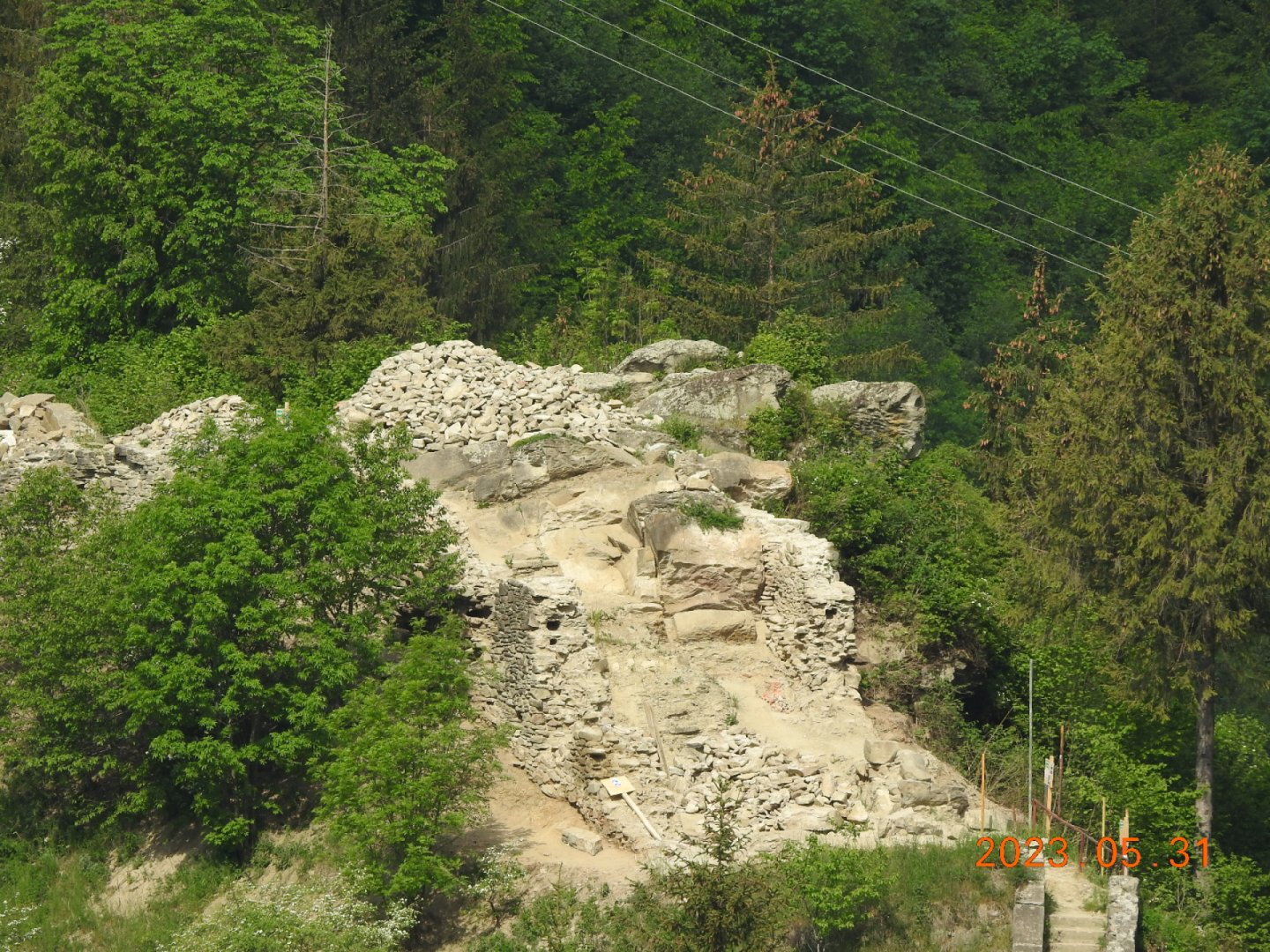
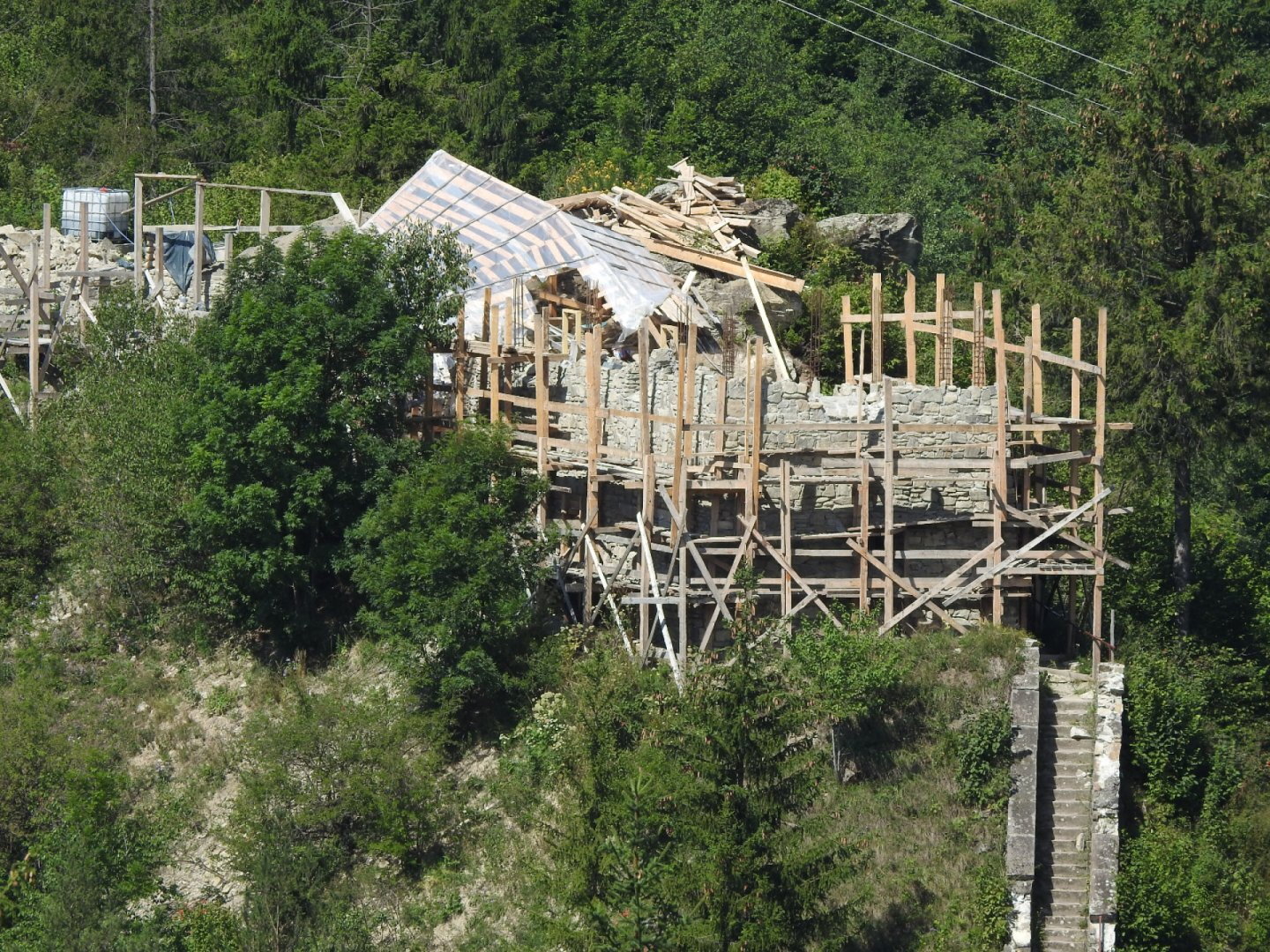
Subsequently, based on the original concept and using 19th-century survey drawings (from 1854 and 1876) held in the Austrian State Archives, work began on planning the castle’s authentic reconstruction, obtaining new permits and securing funding. It took two and a half years to compile the documentation anew. Finally, the National Investment Company (CNI – Compania Națională de Investiții) provided 5,869,886.36 lei for the works. The local council of Gyimesbükk contributed 884,860.73 lei.
The restoration work on the castle was completed in the autumn of 2025, whilst the immersive exhibition on the castle’s history, which draws visitors into the experience of historical eras, was completed in the spring of 2026. Bethlen–Rákóczi Castle opened its doors on 22 May 2026 with a blessing from Dr Gergely Kovács, Archbishop of Gyulafehérvár.
The project involved the restoration and reconstruction of the castle, the structural reinforcement and conservation of the remaining walls, and the construction of a new staircase to ensure safe access. In the spirit of historical accuracy, local stone and special mortar were used for the masonry work and the repair and replacement of walls, whilst the roof structure and interior levels were given an authentic timber-beamed design.
On the western side of the castle, a viewing terrace offering magnificent views has been created, following the natural contours of the hill.
The construction work was carried out by the Iași-based company Prima Construct, in full compliance with heritage conservation regulations.